Three of Pentacles
Discover the history and symbolism of the Three of Pentacles tarot card, from the Marseille pip to the Rider-Waite-Smith craftsman consulting with patrons.
Etymology & Name
The number three in tarot signifies collaboration, manifestation, and the first creative result. The Three of Pentacles combines the trinity of coins with the synthesis of craft. The card is assigned to the second decan of Capricorn (10-20 degrees), ruled by Mars, combining the discipline of Capricorn with the energy of Mars.
Early Imagery
In the Marseille tradition the Three of Pentacles showed three coins arranged in a triangular pattern. The arrangement suggested the completion of a foundation, the first tangible result of effort.
Rider-Waite-Smith Design
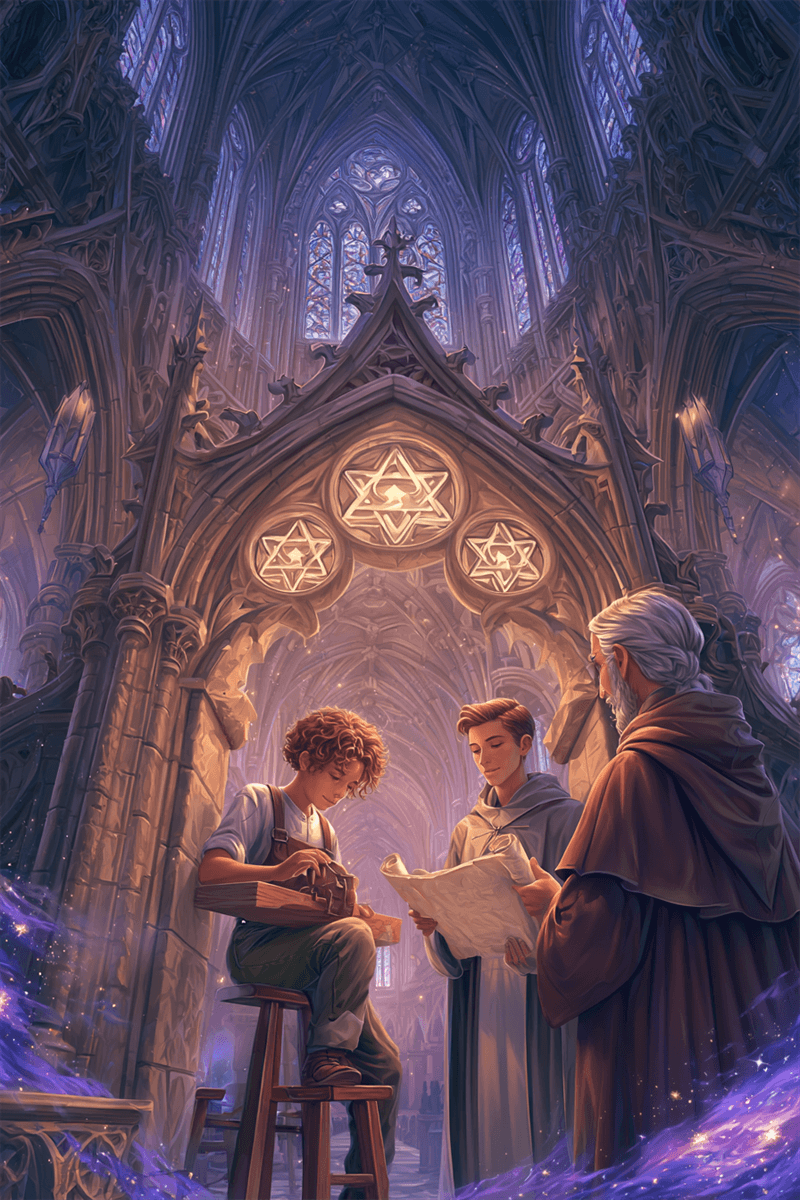
Pamela Colman Smith 1909 illustration depicts a craftsman carving a column in a cathedral or monastery. Two figures, a monk and a nobleman, consult with him, examining a plan. The three figures represent the collaboration of skill, patronage, and vision. The archway and the column under construction signify the building of something lasting through teamwork.
Key Symbolism
The Three of Pentacles represents collaboration, craftsmanship, and the value of skilled work. The craftsman is the practitioner, the monk is the spiritual patron, and the nobleman is the temporal patron. Together they create something greater than any could alone. The card asks: are you contributing your skill to a collaborative endeavor? Recognition comes through competence.
Across Traditions
The Marseille tradition shows three coins in a geometric pattern. The RWS design introduced the cathedral scene, drawing on the medieval tradition of the cathedral builders. In the Thoth Tarot Crowley titled the card "Work" and depicted three disks arranged in a pyramid, emphasizing the constructive nature of effort. Crowley assigned it to Mars in Capricorn.
Cultural Context
The Three of Pentacles is assigned to Mars in Capricorn. Robert Place notes that the cathedral scene draws on the medieval tradition of the master builder, a figure of both craft and vision. The card also reflects the guild system and the dignity of labor. In the context of the suit, this card represents the material realm at its most constructive: work that is both skilled and collaborative.